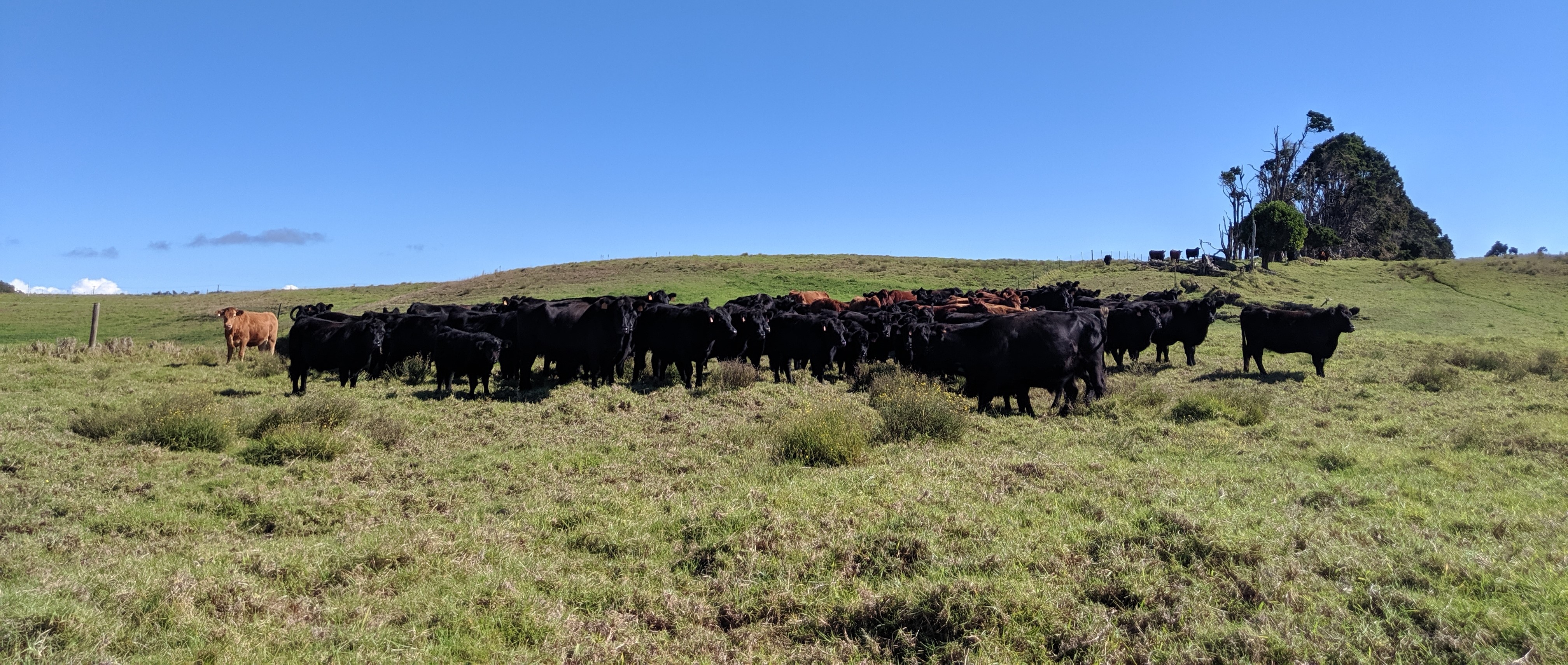
No. U.S. beef cattle account for less than 0.5% of global greenhouse gas emissions. In the United States, emissions from beef cattle represent about 2.2% of total greenhouse gas emissions, while the entire beef production system (including feed production) accounts for approximately 3.7% of U.S. greenhouse gas emissions.
No. Research estimates that producing one pound of edible beef in the United States requires about 317 gallons of water from farm to fork. Approximately 95% of that water is used to irrigate crops grown for cattle feed, while the water cattle drink accounts for about 1% of total water use in beef production.
Today, U.S. grasslands used by the beef industry sequester and store an estimated 7.4 petagrams (Pg) of carbon, which is equivalent to taking 5.76 billion cars off the road. By 2050, that amount is projected to increase to 8.2 Pg, or the equivalent of removing 6.383 billion cars each year, based on average car emissions of 4.6 CO2e metric tons per year. Healthy grazing lands help maintain this important natural carbon sink while also supporting beef production.
Managed grazing is one of several tools that can help reduce wildfire risk in Hawaiʻi. As cattle graze, they consume grasses and other vegetation that can become dry, highly flammable fuel during the dry season.
Many Hawaiʻi ranchers use stewardship practices such as rotational grazing, protecting stream corridors, controlling invasive species, restoring native vegetation, and partnering with conservation organizations to help keep soils healthy and reduce erosion. By managing grazing carefully and maintaining healthy pasture, ranchers help protect the land that supports Hawaiʻi's water resources.